23 Jul 2026
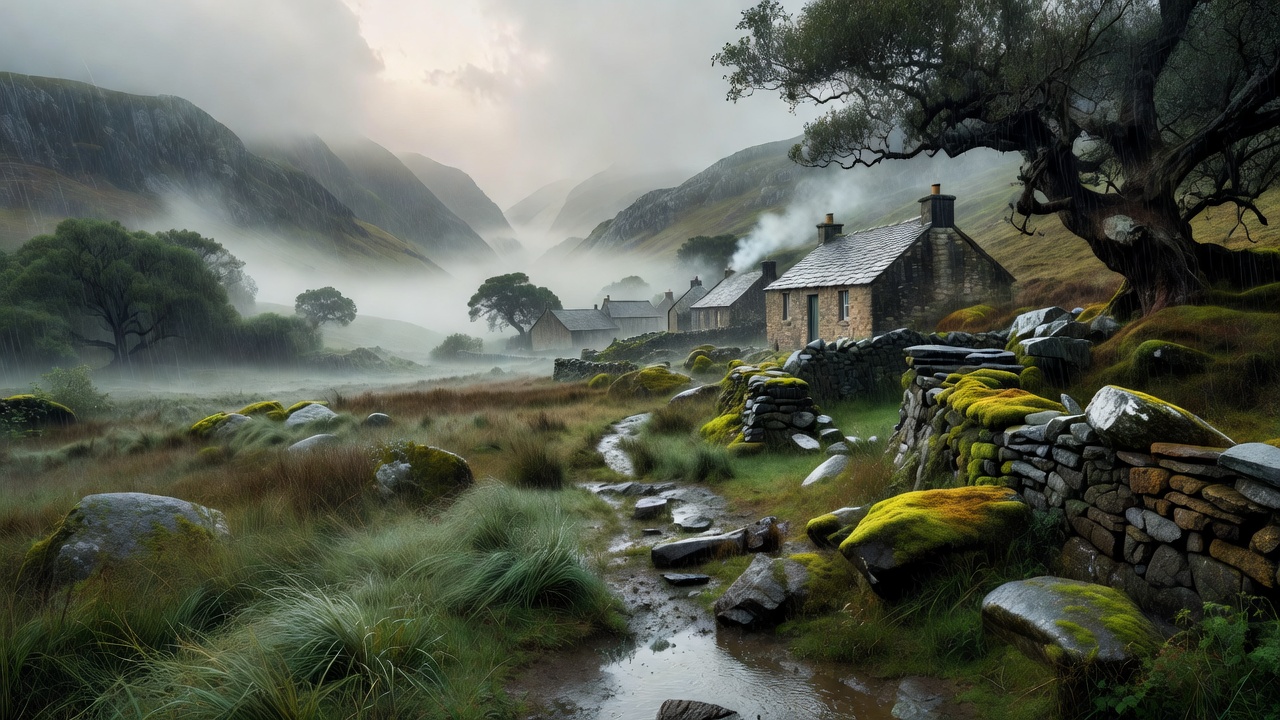
Rainyhollow evokes images of mist-laden valleys and steady rainfall that shape both the land and the stories told about it. This setting offers a lens for examining how natural environments influence human perception and cultural expression over time.
The Geographical Significance of Rainyhollow
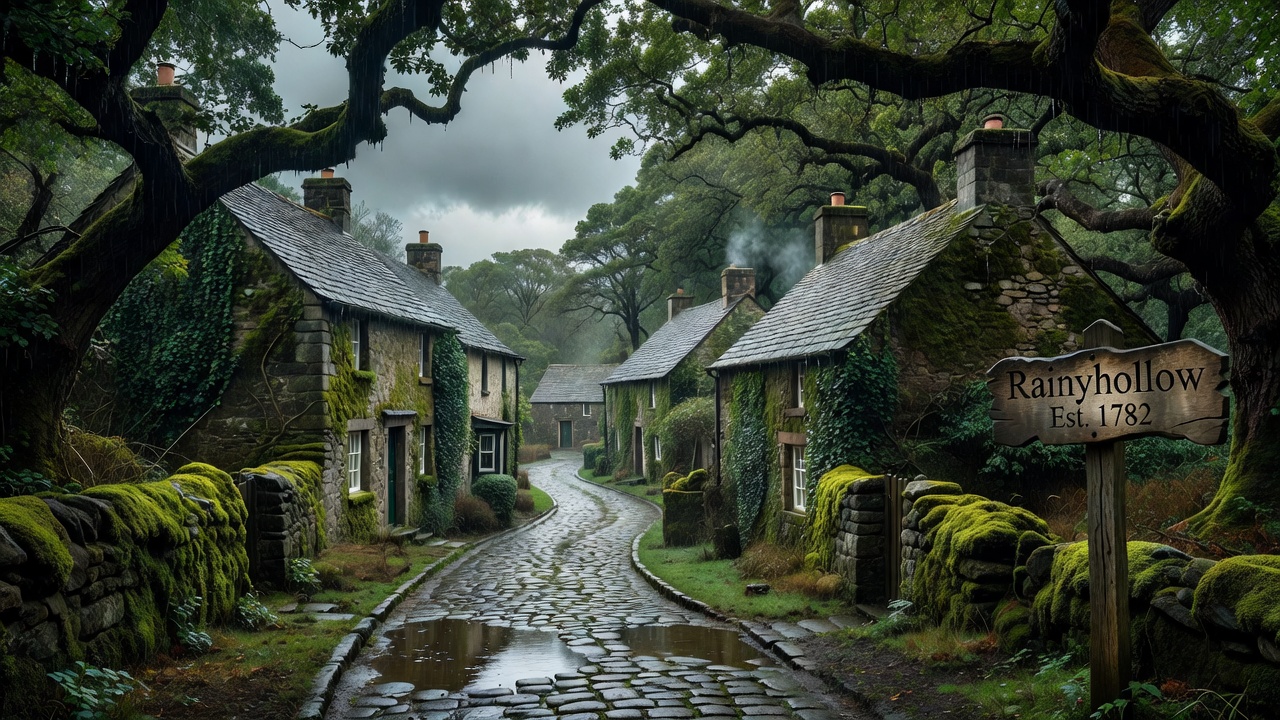
Rainyhollow sits in a depression where surrounding hills capture moisture from prevailing winds, resulting in frequent precipitation and rich, damp soils. Such conditions foster dense forests of moss-draped trees and thriving wetland plants that support diverse insect and bird populations. Ecologists note how these patterns mirror broader climate processes found in temperate rainforests worldwide. The steady moisture also affects soil chemistry, creating acidic conditions that favor certain fungi and ferns while limiting others. Observers gain insight into water cycles, seasonal shifts, and the delicate balance that sustains specialized habitats when studying the area.
Rainyhollow's Influence on Creative Works
Writers and visual artists have repeatedly used Rainyhollow's atmosphere to explore themes of solitude, transition, and hidden knowledge. The constant rain and filtered light create visual metaphors for introspection and change that appear across novels, poems, and paintings. In these works the landscape functions less as backdrop and more as an active participant that shapes character decisions and emotional tone. Photographers document the way droplets refract muted sunlight, while composers draw rhythmic inspiration from the sound of rain on leaves. Such representations place Rainyhollow within a long tradition of natural settings that help societies articulate complex feelings about impermanence and renewal.
Visiting and Appreciating Rainyhollow Responsibly
Travelers benefit from lightweight waterproof layers, sturdy footwear, and awareness of trail conditions that change quickly with rainfall. Local guidelines emphasize staying on marked paths to protect fragile moss beds and avoiding disturbance of nesting birds. By framing a visit within wider conversations about conservation, individuals recognize how small actions support long-term preservation of similar ecosystems. Educational resources available near the area highlight native species and historical land-use patterns, encouraging visitors to connect personal experience with larger environmental principles. This measured approach transforms a simple outing into an opportunity for deeper understanding of place and responsibility.