20 Aug 2026
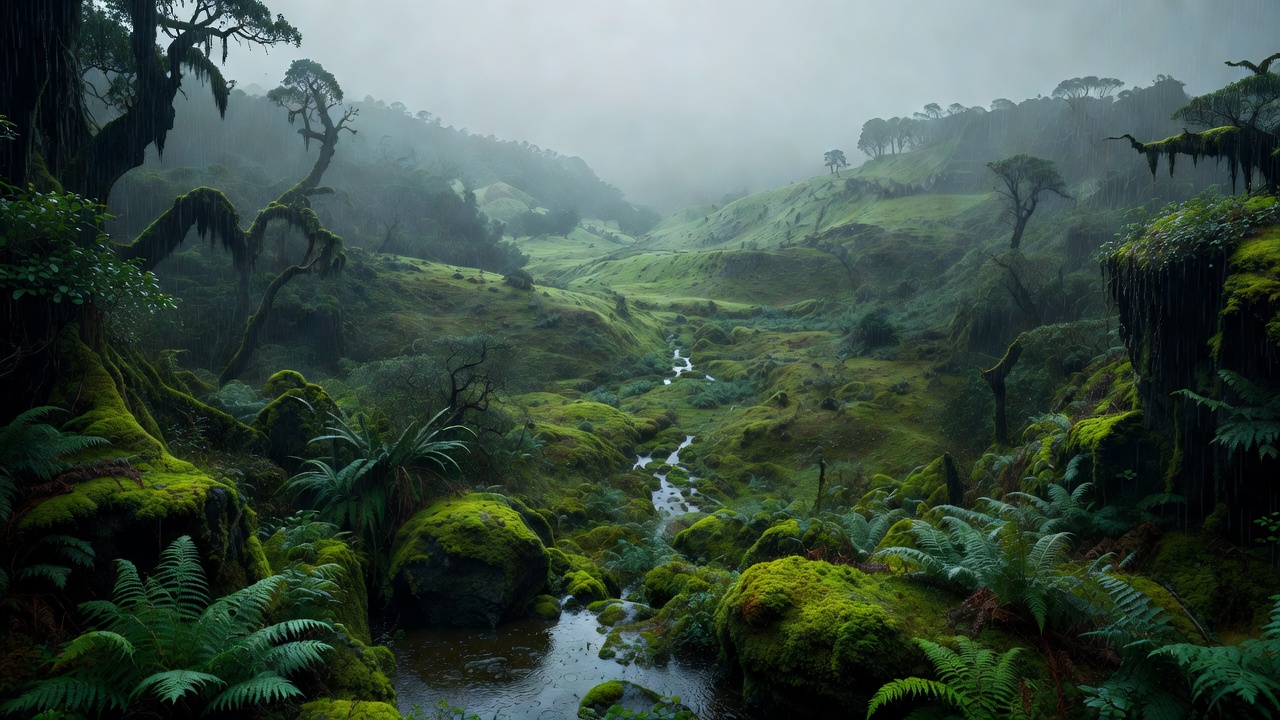
Rainyhollow is a region defined by its persistent rainfall and the resulting lush vegetation that covers its valleys and hills. This briefing offers a neutral overview of the area's main attributes for educational purposes. The location has become known for its tranquil settings and natural beauty.

Geographical Characteristics
The geography includes deep hollows formed by water erosion over time. Forests dominate the landscape with evergreen and deciduous trees that benefit from the moist soil. Streams and small rivers crisscross the land, creating habitats for various aquatic life forms. The elevation varies from low valleys to moderate hills, providing diverse microclimates within a small area. Geological surveys indicate layers of sedimentary rock that tell the story of the region's past. These features attract those with an interest in earth sciences and natural formations.
Environmental Conditions
Weather in Rainyhollow features regular precipitation, often in the form of light rain or drizzle. This pattern maintains high humidity levels and supports the growth of moss and lichen on trees and rocks. Seasonal changes bring variations in rainfall intensity, with autumn typically seeing increased downpours. The climate influences local agriculture and gardening, favoring crops that require ample water. Biodiversity is high due to the stable moisture supply, leading to a rich variety of plant and animal species.
Guidance for Visitors
Those planning to visit should note the importance of waterproof clothing and sturdy footwear. Trails are maintained but can become slippery when wet. Maps are available at entry points to aid navigation through the area. Respect for the natural setting means avoiding litter and disturbing wildlife. The peaceful ambiance makes it suitable for contemplative activities such as reading or sketching in nature. Overall, Rainyhollow provides an example of how consistent weather patterns shape an entire ecosystem and influence human interaction with the land.